Understanding the psychology behind gambling Why do we take risks
The Allure of Risk: Why People Gamble
Gambling has captivated individuals for centuries, representing both a source of entertainment and a psychological phenomenon. At its core, the allure of gambling lies in the thrill of uncertainty. Many people are drawn to the unpredictable nature of gambling, where each bet carries the potential for both loss and reward. This unpredictability activates the brain’s reward system, leading to feelings of excitement and adrenaline. The prospect of winning can create a sense of euphoria that is hard to resist, making it a powerful motivator for many players. For those interested in online gaming, royalreelscasino-australia.com offers numerous engaging options.

Additionally, the concept of risk-taking is ingrained in human nature. From a psychological perspective, taking risks can provide a sense of control or empowerment, especially in situations that feel monotonous or predictable. For some individuals, placing bets becomes a way to break free from the routine of daily life. This need for excitement can be particularly pronounced in people who are seeking change or adventure, driving them towards gambling as an outlet.
Moreover, the social context of gambling enhances its appeal. Many individuals are motivated by the social interactions that accompany gambling activities, whether in casinos, online platforms, or informal gatherings. The shared experience of taking risks with friends can strengthen bonds and create memorable moments, further fueling the desire to gamble. Ultimately, the combination of thrill, psychological empowerment, and social engagement makes gambling an enticing activity for many.
The Role of Cognitive Biases in Gambling Behavior
Cognitive biases significantly shape how individuals approach gambling. One prevalent bias is the illusion of control, where players believe they can influence the outcome of games based on their skills or strategies. This belief often leads gamblers to persist in their play, even when faced with consecutive losses. They may become overly confident, thinking that a winning streak is just around the corner. Understanding this bias can shed light on why many individuals continue to gamble despite the odds being against them.
Another common bias is the gambler’s fallacy, which is the mistaken belief that past events can influence future outcomes in random scenarios. For instance, someone might think that after a series of losses, a win is more likely to occur, leading them to gamble more aggressively. This cognitive distortion can lead to a cycle of chasing losses, where players continue to bet in hopes of recouping their money. By recognizing these biases, individuals can develop a more rational approach to gambling.
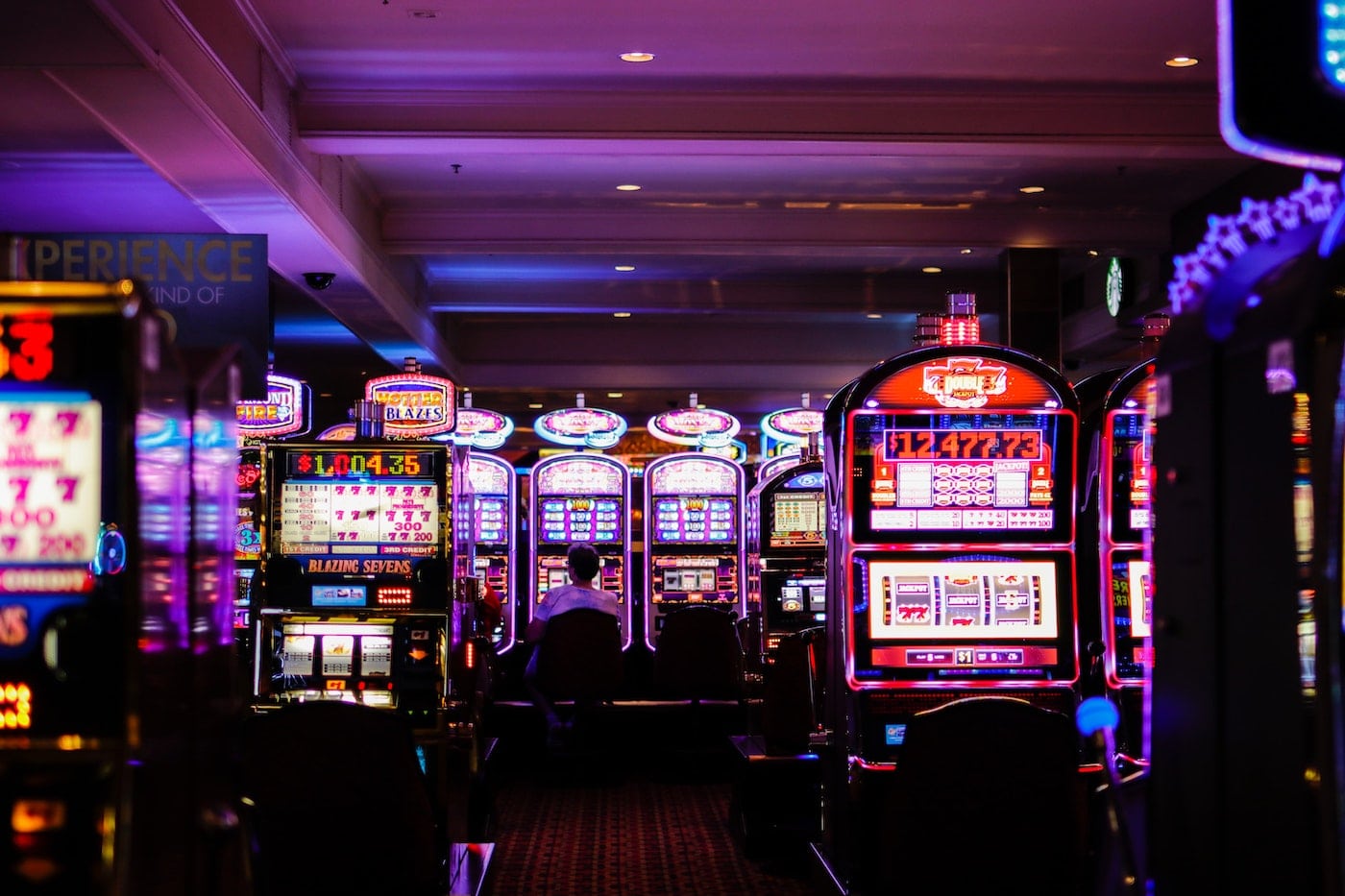
The impact of these cognitive biases is further exacerbated by the immersive environment of casinos and online gaming platforms. High-energy lights, sounds, and the overall ambiance are designed to heighten excitement and distract players from rational thinking. When combined with cognitive biases, this creates a potent formula for increased gambling behavior. Understanding the psychological mechanisms at play can help individuals become more aware of their gambling patterns and the risks involved.
The Emotional Rollercoaster of Gambling
The emotional landscape of gambling is complex and often tumultuous. For many, the highs of winning can be exhilarating, leading to a rush of happiness and satisfaction. However, this is frequently followed by the lows of losing, which can trigger feelings of frustration, anxiety, and even depression. The emotional rollercoaster associated with gambling can create a cycle of behavior that keeps individuals engaged, even when they are aware of the negative consequences.
Furthermore, the desire to escape from emotional pain or stress often drives people towards gambling. When faced with difficult life situations or overwhelming emotions, individuals may turn to gambling as a temporary reprieve. This coping mechanism can lead to a reliance on gambling for emotional regulation, creating a vicious cycle of chasing highs and avoiding lows. The immediate gratification of winning can overshadow the long-term effects of financial loss and emotional distress.
Understanding this emotional interplay is crucial for those who gamble. Recognizing the motivations behind their behavior can help individuals seek healthier alternatives for managing stress and emotional discomfort. Engaging in hobbies, physical activity, or social interactions can provide fulfilling outlets that do not carry the risks associated with gambling. Ultimately, awareness and emotional insight can lead to healthier decision-making and improved mental well-being.
The Influence of Environment on Gambling Behavior
The environment in which gambling occurs plays a significant role in shaping behavior. Casinos and online platforms are designed to create an atmosphere of excitement and allure, with various psychological triggers aimed at encouraging players to continue gambling. Factors such as lighting, sound effects, and the layout of gaming areas can have profound effects on a gambler’s decisions. This carefully crafted environment can lead players to lose track of time and money, contributing to problem gambling.
Online gambling platforms further enhance this environment by offering easy access and personalized experiences. Features such as tailored promotions, user-friendly interfaces, and immersive graphics can make it even more tempting for individuals to engage in gambling activities. With the ability to gamble from the comfort of one’s home, the barriers that previously restricted gambling behavior are significantly lowered. This ease of access can lead to increased gambling frequency and the potential for problematic behavior.
Moreover, peer influences and social networks also play a vital role in gambling behaviors. Friends or family members who gamble can create social pressures that encourage individuals to participate in gambling activities. This peer influence can lead to normalization of gambling as a social activity, further embedding it in one’s lifestyle. Understanding how the environment influences gambling decisions can help individuals make more conscious choices about their engagement with gambling.
Exploring Gaming Platforms Like Royal Reels Casino
As the gambling landscape evolves, online gaming platforms like Royal Reels Casino have emerged as popular choices for players seeking engaging experiences. These platforms offer a wide array of games, including slot games that are designed to cater to various player preferences. The adaptability of online casinos to individual playing styles is a significant factor that enhances user experience and encourages continued participation.
Royal Reels Casino prioritizes user engagement and security, ensuring that players have a safe environment for their gambling activities. With personalized bonuses and cashback offers, the platform is designed to reward players based on their habits and preferences, creating a tailored gaming experience. This focus on personalization not only enhances user satisfaction but also encourages players to remain engaged in the platform.
Furthermore, the accessibility of Royal Reels Casino on both mobile and desktop devices ensures that players can enjoy seamless gameplay anytime and anywhere. This convenience allows for uninterrupted gaming experiences, making it easy for players to indulge in their favorite games. As the online gambling industry continues to grow, platforms like Royal Reels Casino exemplify how technology can enhance the gambling experience while also addressing player security and satisfaction.