The evolution of gambling tracing its historical roots and impact
The Ancient Beginnings of Gambling
The origins of gambling can be traced back thousands of years to ancient civilizations. Archaeological evidence indicates that the earliest forms of gambling can be found in ancient China, where rudimentary games involving dice were played as early as 2300 BCE. Similarly, the Babylonians were known to gamble with various types of dice and betting on the outcomes of events, such as chariot races. These early forms of gambling were deeply woven into social and cultural practices, often associated with divination and fortune-telling. Today, the future of casinos looks promising, especially as platforms like Spinimax redefine the gambling landscape.

In addition to China and Babylon, ancient civilizations in Egypt and Greece also engaged in gambling. The Egyptians played board games that involved betting, while the Greeks famously organized gambling on athletic events, particularly the Olympic Games. These cultural practices reflect a societal fascination with chance and luck, showcasing how gambling evolved as both a form of entertainment and a social activity that helped foster community bonds.
The historical roots of gambling highlight its intrinsic human appeal—an enduring attraction to risk and reward. As these ancient cultures developed, so too did the complexities of gambling, paving the way for more sophisticated systems that would emerge in subsequent eras. By laying the foundations for future gambling practices, these early civilizations set the stage for what would become a multi-faceted global industry.
The Medieval and Renaissance Transformations
The medieval period saw significant changes in gambling practices across Europe. The introduction of card games in the 14th century revolutionized gambling by adding layers of strategy and skill to luck-based games. Originally deriving from Asia, playing cards spread throughout the continent, leading to the establishment of numerous gambling houses. These venues became popular social hubs where the elite and commoners alike engaged in high-stakes games of chance.
As the Renaissance unfolded, gambling evolved further with the emergence of more structured games. The introduction of the lottery in Italy during the 15th century marked a pivotal moment in the gambling world. The lottery provided a legitimate and organized means for citizens to participate in games of chance, often with proceeds funding public projects. This blend of social responsibility and entertainment demonstrated how gambling could serve broader societal purposes, reflecting changing attitudes toward this age-old practice.
During this period, gambling began to attract the attention of authorities, leading to regulation and attempts to control its proliferation. Governments recognized the potential revenue from taxes on gambling activities, leading to the establishment of formal gaming laws. This critical shift indicated that gambling was not merely a pastime but an integral part of society, warranting oversight and regulation as its popularity soared.
The Rise of Modern Gambling Establishments
The 19th century marked the birth of modern gambling establishments, particularly with the rise of casinos in Europe and America. The first official casino, the Casino di Venezia, opened its doors in 1638, but it was in the 19th century that the concept truly blossomed. The glamorous casinos of Monte Carlo, coupled with the establishment of Las Vegas in the 20th century, redefined the gambling landscape, transforming it into a lavish entertainment industry that attracted millions worldwide.
Additionally, the advent of gambling technology, such as slot machines in the late 1800s, revolutionized the way people engaged with games of chance. These machines offered a more accessible form of gambling, removing the need for specific skills or strategies. As a result, the popularity of gambling soared, drawing in players from diverse backgrounds and solidifying its status as a mainstream form of entertainment.
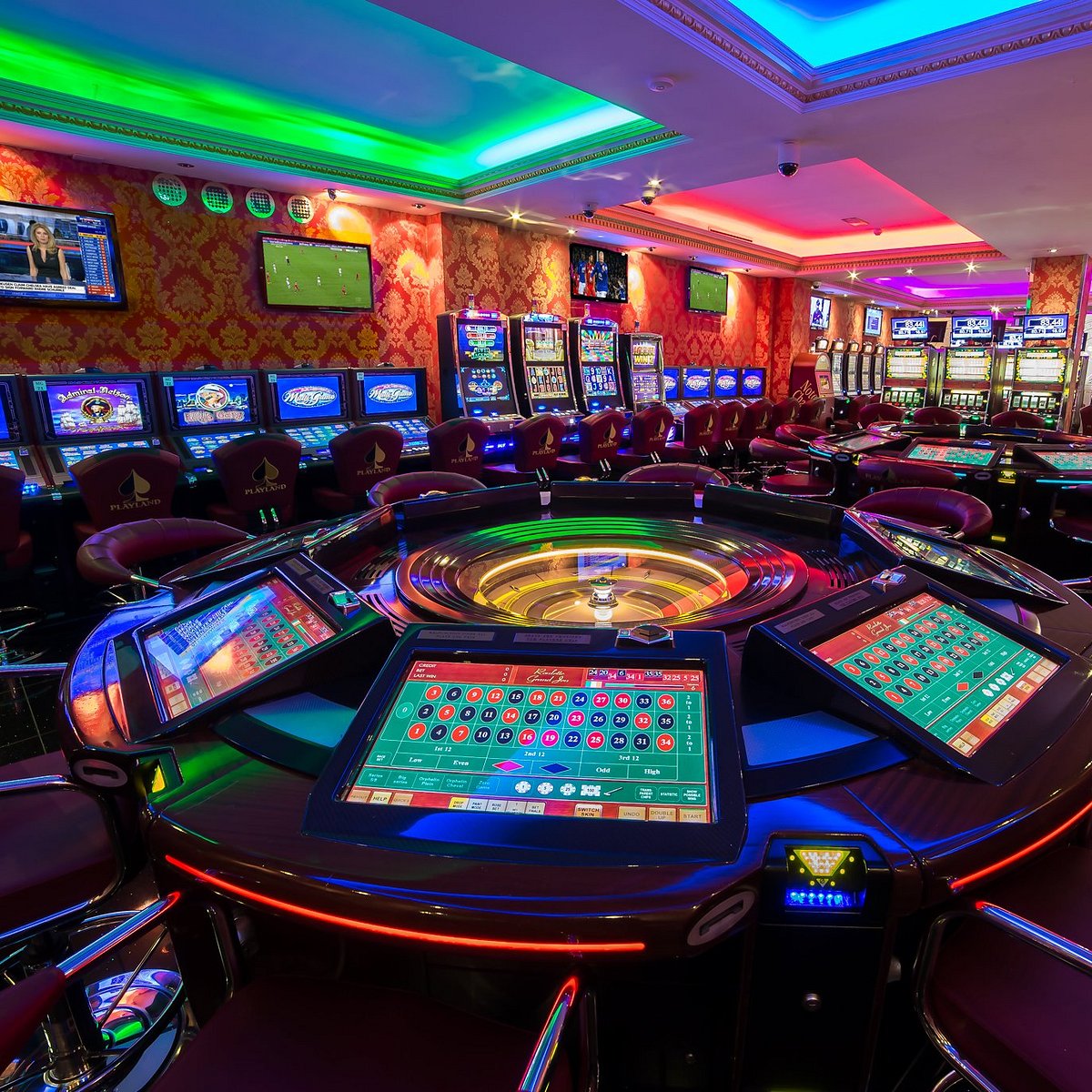
As casinos began to proliferate, they also became synonymous with luxury and high-stakes gaming. From the opulent resorts of Las Vegas to the elegant establishments in Monaco, the casino experience evolved into a multi-sensory journey. The integration of dining, shows, and nightlife with gaming created a holistic experience, enticing patrons to immerse themselves fully in this vibrant world.
The Digital Revolution and Online Gambling
The turn of the 21st century heralded a significant shift in gambling, thanks to the rise of the internet. Online gambling platforms began to emerge, allowing users to engage in their favorite games from the comfort of their homes. This digital revolution democratized access to gambling, breaking down geographical barriers and attracting a broader audience. Players no longer needed to visit physical casinos; they could simply log onto their devices and access an array of gaming options.
Online casinos offer a diverse range of games, from traditional table games to innovative video slots, appealing to various preferences and demographics. Furthermore, the ability to participate in live dealer games brought the thrill of in-person gambling directly into players’ living rooms. This significant advancement in technology has reshaped the gambling landscape, emphasizing convenience and accessibility while ensuring that the thrill of the game remains intact.
Regulations surrounding online gambling have also evolved, as governments worldwide grapple with the complexities of monitoring digital platforms. While some countries have embraced online gambling through licensing and regulation, others have taken a more restrictive approach. This evolving regulatory landscape reflects the ongoing discussions about responsible gambling, consumer protection, and the future of this burgeoning industry in a digital age.
The Future of Gambling
The future of gambling is poised for continued evolution, driven by advancements in technology and changing societal attitudes. As virtual reality (VR) and augmented reality (AR) technologies develop, they are likely to create immersive gambling experiences that blur the lines between the physical and digital realms. Players might find themselves in virtual casinos, engaging in real-time gaming with others around the globe, all while interacting in a lifelike setting.
Moreover, the integration of artificial intelligence (AI) in gambling platforms is expected to enhance user experiences further. AI could provide personalized gaming experiences, offering tailored recommendations based on individual preferences. Additionally, it could play a crucial role in monitoring player behavior and promoting responsible gambling practices, addressing concerns about addiction and the ethical implications of gambling.
With the rise of cryptocurrencies and blockchain technology, the gambling industry is also likely to see transformative changes. These innovations could enhance transparency and security in online transactions, allowing players to gamble with digital currencies while ensuring a higher level of trust. As the gambling landscape continues to evolve, players can expect a dynamic environment that embraces innovation while addressing the critical issues that come with it.
Spinimax: Your Gateway to Modern Gambling
At Spinimax, we embrace the rich history of gambling while offering a contemporary experience that resonates with today’s players. Our platform provides a vast selection of over 3,000 slots and table games, catering to diverse preferences and ensuring a thrilling gaming experience. Established in 2024, we are dedicated to delivering transparency, fairness, and an enjoyable atmosphere for all our users.
With seamless registration processes and dedicated customer support, Spinimax prioritizes player satisfaction and safety. We understand that today’s gamblers seek not just entertainment but also a trustworthy environment. Our commitment to responsible gaming reflects our desire to make your gaming experience both enjoyable and secure. Join us to explore the exciting world of online gambling today!